Loading…
Master's Program (S2)
Academic / Master's Program (S2)
Plant Protection Master's Program Profile
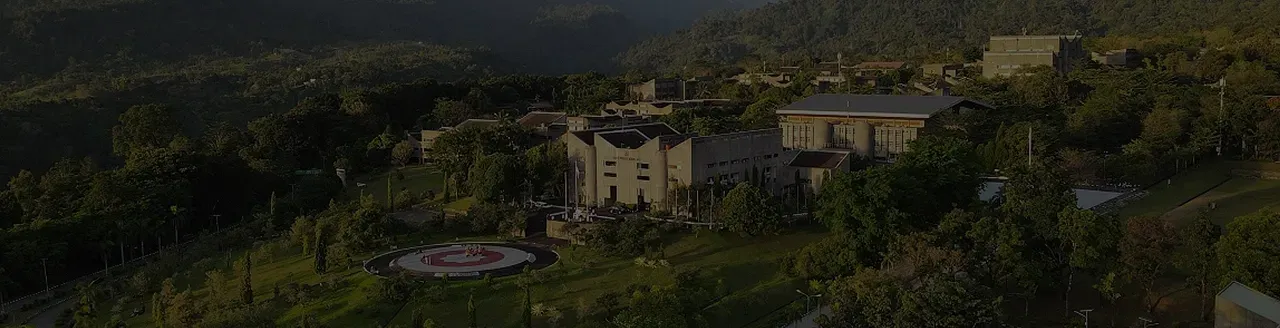
Plant Protection Master Program, Faculty of Agriculture, Universitas Andalas is designed to develop and advance knowledge in the field of plant protection through an integrated academic and research-based approach. This program aims to produce graduates with strong critical and analytical thinking skills, as well as research competencies to scientifically and sustainably address plant pest and disease problems (plant protection issues).
The curriculum emphasizes advanced concepts in Plant Pest and Diseases Managements. The learning process is supported by independent research activities, scientific discussions, research publication, and active engagement in the development of science and technology in plant protection.
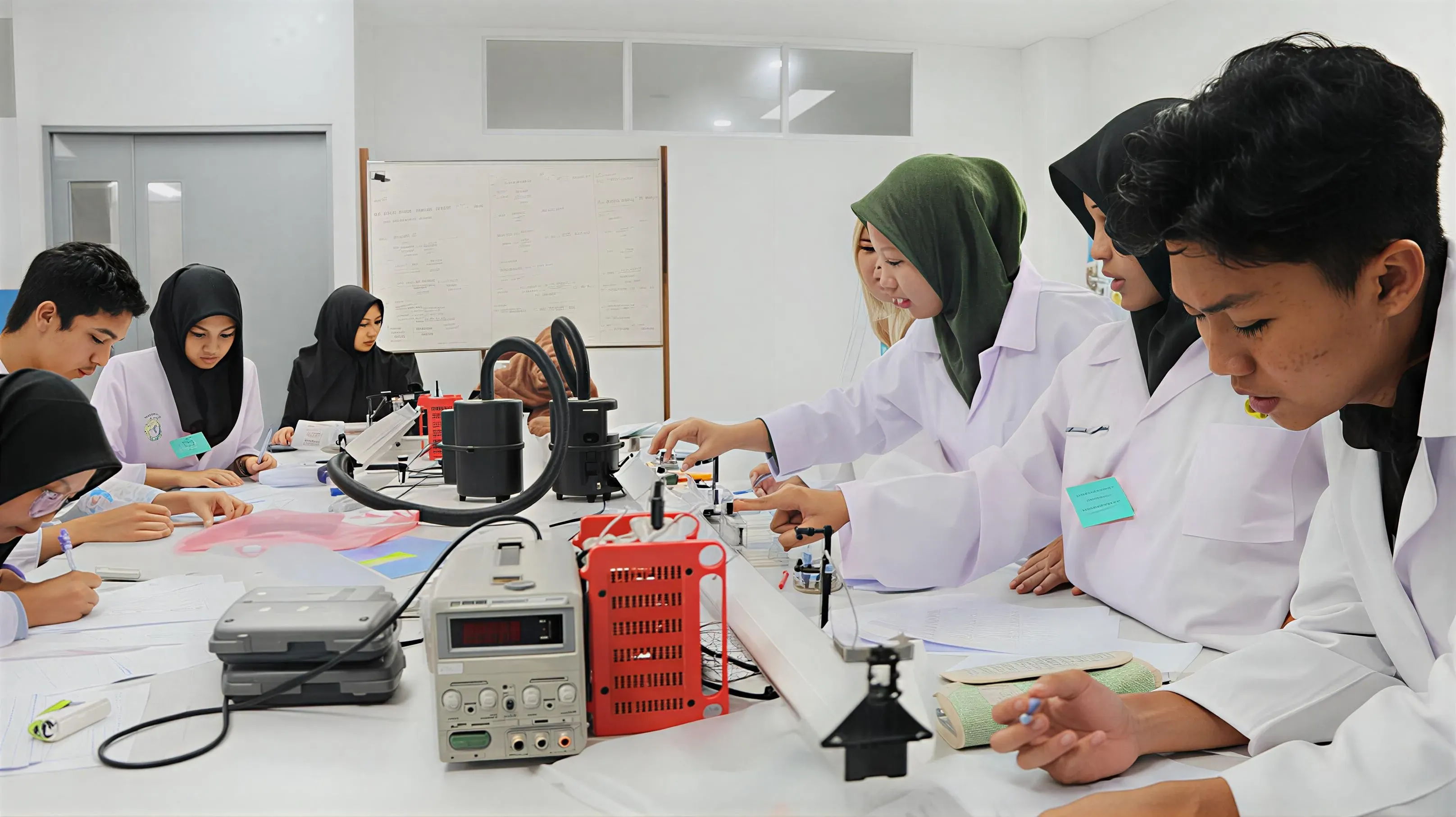
The program is also oriented toward the application of research outcomes to support sustainable agriculture, food security, and the reduction of dependency on synthetic chemicals. Supported by experienced academic staff and adequate laboratory facilities, graduates of Master Program are expected to pursue careers as academics/educators, consultants, government professionals, and entrepreneurs, contributing to the development of environmentally friendly and competitive agricultural systems.
Vision, Mission and Goals
Vision
“To become a leading master program and dignified at ASEAN level in inovation of tropical plant protection that environmentally friendly by 2028”
“
”
Mission
Objectives
Accreditation
Program Learning Outcomes
PLO
PLO 1
Demonstrate religious values reflected in academic integrity, professionalism, collaborative leadership, compliance with research ethics and regulations, and responsibility for environmental impacts in the development of plant protection technologies.
PLO 2
Master advanced theoretical concepts of pest and disease bioecology, including interactions between pests and host plants, as well as agroecosystem dynamics.
PLO 3
Master various pest and disease management techniques, both conventional and modern, including their scientific principles, implementation standards, effectiveness, and environmental impacts.
PLO 4
Be able to identify and diagnose pests and natural enemies and interpret their ecological roles using scientific approaches.
PLO 5
Be able to formulate problems and design and develop innovative and environmentally friendly pest and disease management strategies based on scientific approaches.
PLO 6
Be able to plan, manage, and evaluate research projects on the application of plant protection technologies in laboratory and field settings, and produce scientifically accountable reports.
PLO 7
Be able to collaborate and communicate effectively within interdisciplinary and multinational teams.
PLO 8
Be able to disseminate research findings orally and in writing in national and international scientific forums and publish them
Graduate Profile

Academics / Educators
Graduates of the Master's Program in Plant Protection are capable of delivering knowledge in innovative and effective ways, as well as designing educational materials that are relevant to the latest developments in the field of plant protection. They are also skilled in mentoring and inspiring students at lower academic levels to produce innovations in plant protection and contribute to the sustainability of agricultural ecosystems
Researchers
Graduates of the Master's Program in Plant Protection are proficient in identifying problems in the field of plant protection, designing research with the potential to generate innovative designs and technologies that adhere to sustainable and environmentally friendly principles. As researchers, graduates are able to develop and test existing plant protection technologies, ensuring that they meet the criteria for environmentally friendly methods or technologies

Consultant
Graduates of the Master's Program in Plant Protection possess strong analytical skills, enabling them to provide guidance and direction in the field of plant protection
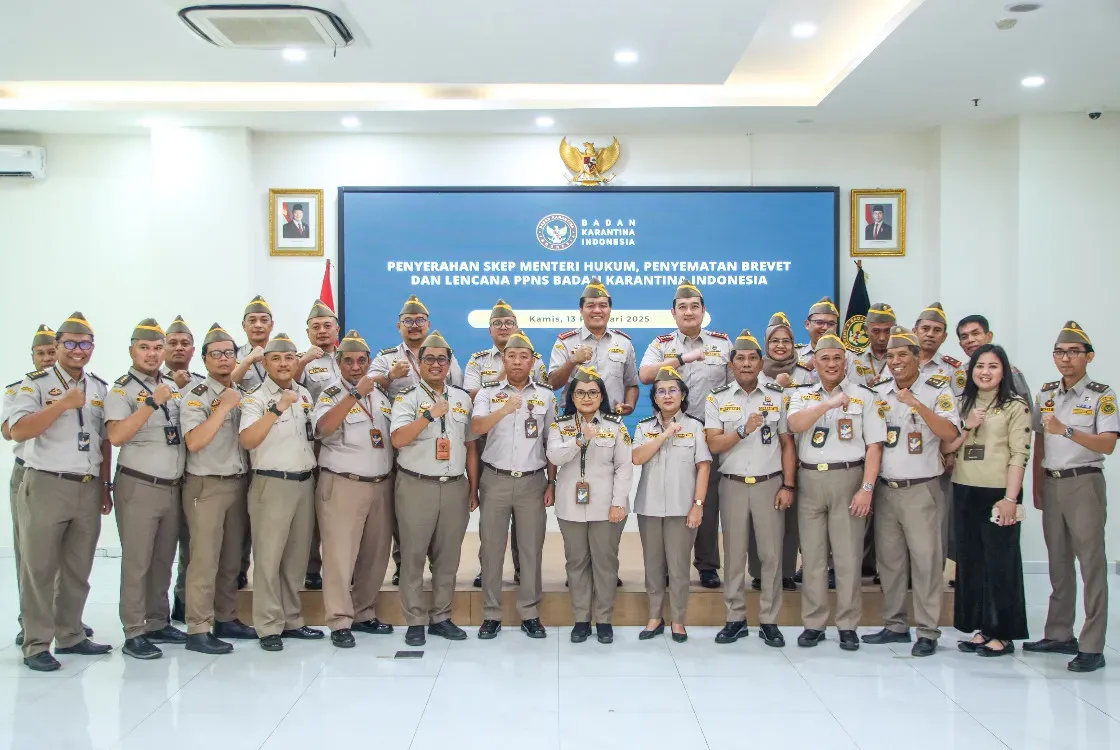
bureaucrat/Officer
They are prepared to collaborate with various stakeholders, including educational institutions, governments, and industries, to ensure the application of innovative methods and technologies in plant protection
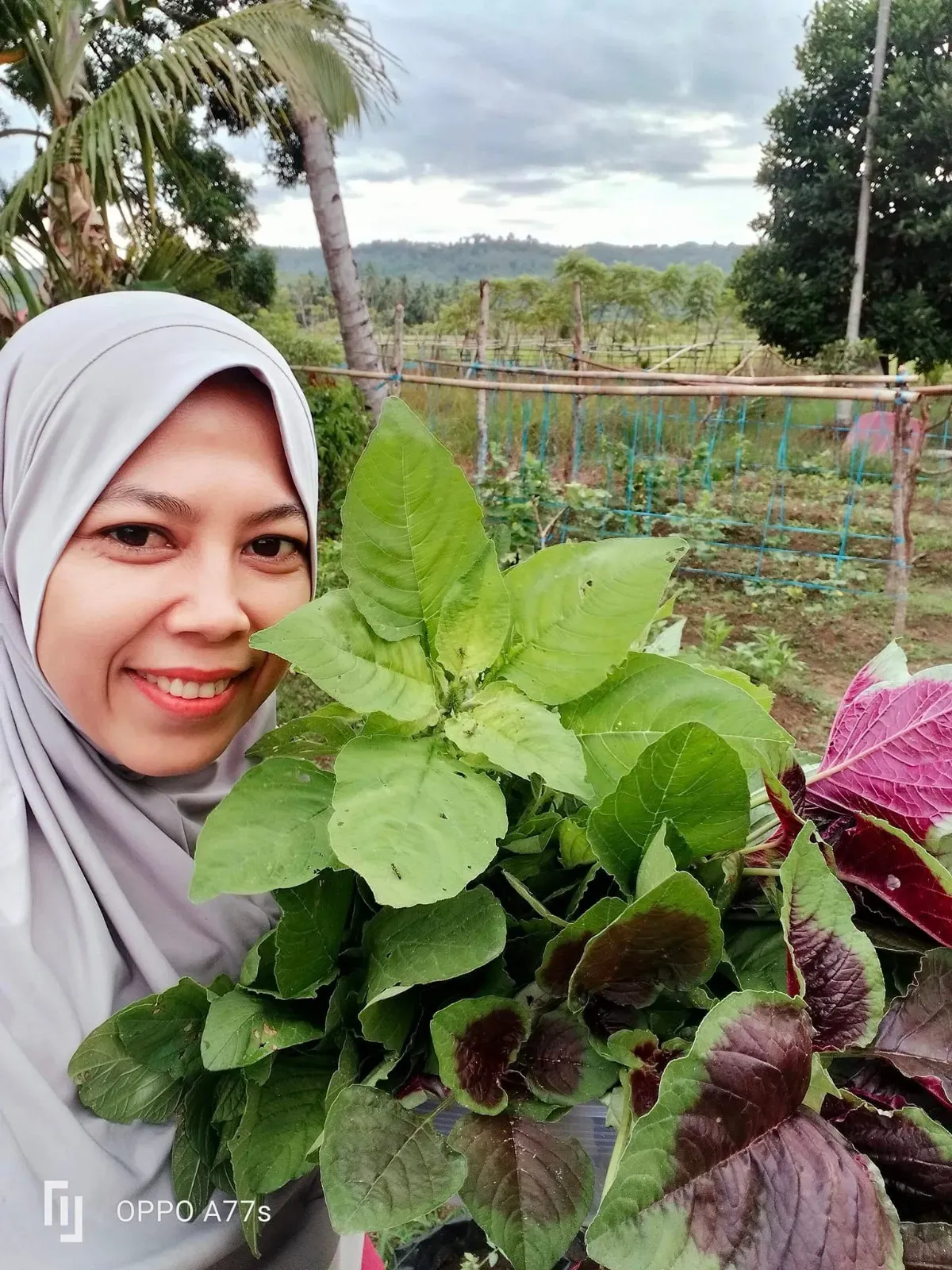
Entrepreneur
Graduates are also equipped to engage in agribusiness and produce high-quality agricultural products that are pest- and disease-free, highly competitive, and achieved through environmentally friendly and sustainable production processes
Master's Degree Courses
Research Methods and Scientific Ethics
PRO 8011Compulsory Courses
This course discusses the fundamentals of scientific research, how to identify and formulate problems, develop a plan, implement it, analyze data, and write a research report.
Lecturers:
- Prof. Dr. Ir. Novri Nelly, MP
- Dr. Ir. Hidrayani, MSc
Plant Protection Biotechnology
PRO 8012Compulsory Courses
The Plant Protection Biotechnology course is an advanced course that combines biotechnology principles with aspects of plant protection. This course focuses on the use of modern biotechnology techniques to protect plants from pests, diseases, and detrimental environmental factors.
Lecturers:
- Dr. Jumsu Trisno, SP., MSi
- Prof. Dr. Ir. Trizelia, MSi
- Dr. Haliatur Rahma, S.Si., MP
Agricultural Entomology
PRO 8121PHT Elective Courses
Agricultural entomology is a course that discusses insect pests, the damage and losses they cause, predicting pest attacks, and control methods for each type of pest.
Lecturers:
- Dr. Ir. Munzir Busniah, MSi
- Dr. Ir. Reflinaldon, MSi
Insect Physiology
PRO 8122PHT Elective Courses
This course examines the external morphology of insects, including the general evolution of the insect body and its parts. Discussions include the evolution of the head and thorax and their appendages, the reproductive organs, the wings, the abdomen, and their appendages. It also examines the relationship between structure and function; various activities at the organismal, organ, and cellular levels; homeostasis, the relationship and coordination of systems within the insect body and the environment; the respiratory system, digestive system, excretory system, circulatory system, nervous and sensory system, muscular system, and endocrine system.
Lecturers:
- Dr. Ir. Eka Candra lina, SP. M.Si. IPM
- Dr. Ir. Arneti, MS
Insect Taxonomy
PRO 8123PHT Elective Courses
This course presents the principles, concepts, and fundamentals of insect classification and identification. To strengthen students' understanding, the beginning of the course covers the importance of insects, their history and evolution, the theory of insect systematics, phylogenetics, and classification, an introduction to the 27 insect orders and several important families within each order, updates on the latest taxonomic information, and the role of each insect in nature.
Lecturers:
- Dr. My. Syahrawati, SP. M.Si
- Dr. Hasmiandy Hamid, SP. M.Si
Acarology
PRO 8124PHT Elective Courses
The Acarology course covers the fundamentals of acari or mites, including: morphology, anatomy and physiology of the integument and cuticle turnover, segmentation, musculature and legs, circulatory system, nerves and senses, respiration, mouth and digestive tract, excretion and osmoregulation, and the acari reproductive system. In addition to these fundamentals, this course also explores classification. In each phase of the course, students will actively participate in individual and group work, express opinions, and analyze relevant journal articles. Assessment will include tests, non-tests, individual and group assignments.
Lecturers:
- Prof. Dr. Ir. Novri Nelly, MP
- Dr. Ir. Reflinaldon, MSi
Entomophage
PRO 8125PHT Elective Courses
This course aims to study entomophagous insects. It also discusses the taxonomy and behavior of each entomophagous insect order.
Lecturers:
- Prof. Dr. Ir. Novri Nelly, MP
- Dr. My. Syahrawati, SP. M.Si
Identification of Plant Pathogens
PRO 8126PPT Elective Courses
The course aims to (1) provide opportunities for students to broaden their knowledge regarding scientific advances in methods for identifying disease-causing pathogens in plants, (2) improve students' abilities in conducting research on plant diseases. In this course, the lecture material will be discussed, including methods for identifying pathogens (fungi, bacteria, viruses and nematodes) morphologically, anatomically, histopathologically, serologically and molecularly. In each phase of learning, students will be actively involved in individual and group work, expressing opinions and conducting peer reviews. Assessments will include tests, non-tests, individual and group assignments.
Lecturers:
- Prof. Dr. Ir. Darnetty, M.Sc
- Dr. Ir. Eri Sulyanti, M.Sc
- Dr. Jumsu Trisno, SP, M.Si
- Dr. Haliatur Rahma, S.Si, M.Si
Plant Pathogenic Bacteria
PRO 8127PPT Elective Courses
The course aims to (1) provide opportunities for students to broaden their knowledge regarding the development of the science of plant pathogenic bacteria. (2) improve students' abilities in conducting research on plant pathogenic bacteria. Lecture materials include the history and development of the science of plant pathogenic bacteria, the characteristics of plant pathogenic bacteria, the mechanisms of the emergence of disease symptoms, the relationship between pathogens and hosts, the ecobiology of several types of bacteria that cause major plant diseases, and the control of diseases caused by bacteria. In each phase of learning, students will be actively involved in individual and group work, expressing opinions and conducting peer reviews. Assessments will include tests, non-tests, individual and group assignments.
Lecturers:
- Dr. Ir. Ujang Khairul, MP
- Dr. Zurai Resti, SP. MP
- Dr. Haliatur Rahma, S.Si. MP
- Dr. Yulmira Yanti, S.Si. MP
Plant Pathogenic Fungi
PRO 8128PPT Elective Courses
This course provides students with the opportunity to broaden their knowledge of plant pathogenic fungi. The course material covers groups of plant pathogenic fungi, the characteristics of each plant pathogenic fungus, the classification of each plant pathogenic fungus, the reproduction of plant pathogenic fungi, the disease cycle of each plant pathogenic fungus, the infection process of each plant pathogenic fungus, the disease symptoms caused by each plant pathogenic fungus, and the control of diseases caused by each plant pathogenic fungus.
Lecturers:
- Prof. Dr. Ir. Nurbailis, MS
- Prof. Dr. Ir. Darnetty, MSc
- Dr. Ir. Ery Sulyanti, MSc
Molecular Plant Virology
PRO 8129PPT Elective Courses
-
Lecturers:
- Dr. Jumsu Trisno, SP, M.Si
- Muhammad Fadli, SP, M.Biotek
Seed and Postharvest Diseases
PRO 81210PPT Elective Courses
This course examines the external morphology of insects, including the general evolution of the insect body and its parts. Discussions include the evolution of the head and thorax and their appendages, the reproductive organs, the wings, the abdomen, and their appendages. It also examines the relationship between structure and function; various activities at the organismal, organ, and cellular levels; homeostasis, the relationship and coordination of systems within the insect body and the environment; the respiratory system, digestive system, excretory system, circulatory system, nervous and sensory system, muscular system, and endocrine system.
Lecturers:
- Prof. Dr. Ir. Darnetty, M.Sc
- Dr. Ir. Eri Sulyanti, M.Sc
Research Methods and Scientific Ethics
PRO 8011Compulsory Courses
This course discusses the fundamentals of scientific research, how to identify and formulate problems, develop a plan, implement it, analyze data, and write a research report.
Lecturers:
- Prof. Dr. Ir. Novri Nelly, MP
- Dr. Ir. Hidrayani, MSc
Plant Protection Biotechnology
PRO 8012Compulsory Courses
The Plant Protection Biotechnology course is an advanced course that combines biotechnology principles with aspects of plant protection. This course focuses on the use of modern biotechnology techniques to protect plants from pests, diseases, and detrimental environmental factors.
Lecturers:
- Dr. Jumsu Trisno, SP., MSi
- Prof. Dr. Ir. Trizelia, MSi
Special Topics
PRO 8014Compulsory Courses
Special topics courses are independent activities undertaken by students to further master the scientific knowledge of their field of study and deepen their understanding of research problems. The final output of these special topics courses is a written report in the form of a scientific paper and a thesis research proposal, which are presented at a colloquium.
Lecturers:
- Supervisor
Independent Research 1
PRO 8021Elective Courses
-
Lecturers:
- Supervisor
Agricultural Entomology
PRO 8121PHT Elective Courses
Agricultural entomology is a course that discusses insect pests, the damage and losses they cause, predicting pest attacks, and control methods for each type of pest.
Lecturers:
- Dr. Ir. Munzir Busniah, MSi
- Dr. Ir. Reflinaldon, MSi
Insect Physiology
PRO 8122PHT Elective Courses
This course examines the external morphology of insects, including the general evolution of the insect body and its parts. Discussions include the evolution of the head and thorax and their appendages, the reproductive organs, the wings, the abdomen, and their appendages. It also examines the relationship between structure and function; various activities at the organismal, organ, and cellular levels; homeostasis, the relationship and coordination of systems within the insect body and the environment; the respiratory system, digestive system, excretory system, circulatory system, nervous and sensory system, muscular system, and endocrine system.
Lecturers:
- Dr. Ir. Eka Candra lina, SP. M.Si. IPM
- Dr. Ir. Arneti, MS
Insect Taxonomy
PRO 8123PHT Elective Courses
This course presents the principles, concepts, and fundamentals of insect classification and identification. To strengthen students' understanding, the beginning of the course covers the importance of insects, their history and evolution, the theory of insect systematics, phylogenetics, and classification, an introduction to the 27 insect orders and several important families within each order, updates on the latest taxonomic information, and the role of each insect in nature.
Lecturers:
- Dr. My. Syahrawati, SP. M.Si
- Dr. Hasmiandy Hamid, SP. M.Si
Acarology
PRO 8124PHT Elective Courses
The Acarology course studies the basics of knowledge about akari or mites, namely: morphology, anatomy and physiology of integument and cuticle replacement, segmentation, musculature and legs, circulatory system, nerves and senses, respiration, mouth and digestive tract, excretion and osmoregulation and the Akari reproductive system. In addition to the basics of knowledge, this course also studies classification. In this course, in each phase of learning, students will be actively involved in individual and group work, expressing opinions and analyzing related journals. Assessment will include tests, non-tests, individual and group assignments.
Lecturers:
- Prof. Dr. Ir. Novri Nelly, MP
- Dr. Ir. Reflinaldon, MSi
Entomophage
PRO 8125PHT Elective Courses
This course aims to study entomophagous insects. It also discusses the taxonomy and behavior of each entomophagous insect order.
Lecturers:
- Prof. Dr. Ir. Novri Nelly, MP
- Dr. My. Syahrawati, SP. M.Si
Identification of Plant Pathogens
PRO 8126PPT Elective Courses
The course aims to (1) provide opportunities for students to broaden their knowledge regarding scientific advances in methods for identifying disease-causing pathogens in plants, (2) improve students' abilities in conducting research on plant diseases. In this course, the lecture material will be discussed, including methods for identifying pathogens (fungi, bacteria, viruses and nematodes) morphologically, anatomically, histopathologically, serologically and molecularly. In each phase of learning, students will be actively involved in individual and group work, expressing opinions and conducting peer reviews. Assessments will include tests, non-tests, individual and group assignments.
Lecturers:
- Prof. Dr. Ir. Darnetty, M.Sc
- Dr. Ir. Eri Sulyanti, M.Sc
- Dr. Jumsu Trisno, SP, M.Si
- Dr. Haliatur Rahma, S.Si, M.Si
Plant Pathogenic Bacteria
PRO 8127PPT Elective Courses
The course aims to (1) provide opportunities for students to broaden their knowledge regarding the development of the science of plant pathogenic bacteria. (2) improve students' abilities in conducting research on plant pathogenic bacteria. Lecture materials include the history and development of the science of plant pathogenic bacteria, the characteristics of plant pathogenic bacteria, the mechanisms of the emergence of disease symptoms, the relationship between pathogens and hosts, the ecobiology of several types of bacteria that cause major plant diseases, and the control of diseases caused by bacteria. In each phase of learning, students will be actively involved in individual and group work, expressing opinions and conducting peer reviews. Assessments will include tests, non-tests, individual and group assignments.
Lecturers:
- Dr. Ir. Ujang Khairul, MP
- Dr. Zurai Resti, SP. MP
- Dr. Haliatur Rahma, S.Si. MP
- Dr. Yulmira Yanti, S.Si. MP
Plant Pathogenic Fungi
PRO 8128PPT Elective Courses
This course provides students with the opportunity to broaden their knowledge of plant pathogenic fungi. The course material covers groups of plant pathogenic fungi, the characteristics of each plant pathogenic fungus, the classification of each plant pathogenic fungus, the reproduction of plant pathogenic fungi, the disease cycle of each plant pathogenic fungus, the infection process of each plant pathogenic fungus, the disease symptoms caused by each plant pathogenic fungus, and the control of diseases caused by each plant pathogenic fungus.
Lecturers:
- Prof. Dr. Ir. Nurbailis, MS
- Prof. Dr. Ir. Darnetty, MSc
- Dr. Ir. Ery Sulyanti, MSc
Molecular Plant Virology
PRO 8129PPT Elective Courses
-
Lecturers:
- Dr. Jumsu Trisno, SP, M.Si
- Muhammad Fadli, SP, M.Biotek
Seed and Postharvest Diseases
PRO 81210PPT Elective Courses
This course examines the external morphology of insects, including the general evolution of the insect body and its parts. Discussions include the evolution of the head and thorax and their appendages, the reproductive organs, the wings, the abdomen, and their appendages. It also examines the relationship between structure and function; various activities at the organismal, organ, and cellular levels; homeostasis, the relationship and coordination of systems within the insect body and the environment; the respiratory system, digestive system, excretory system, circulatory system, nervous and sensory system, muscular system, and endocrine system.
Lecturers:
- Prof. Dr. Ir. Darnetty, M.Sc
- Dr. Ir. Eri Sulyanti, M.Sc
Biointensive IPM
PRO 8013Compulsory Courses
-
Lecturers:
- Dr. Ir. Hidrayani, MSc
- Dr. Jumsu Trisno, SP, M.Si
Special Topics
PRO 8014Compulsory Courses
Special topics courses are independent activities undertaken by students to gain greater mastery of their field of study and deepen their understanding of research problems. The final output of these special topics courses is a written report in the form of a scientific paper and a thesis research proposal, which are presented at a colloquium.
Lecturers:
- Supervisor
Pesticide Toxicology
PRO 8221Elective Courses
-
Lecturers:
- Dr. Ir. Eka Candra lina, SP. M.Si. IPM
- Prof. Dr. Ir. Trizelia, M.Si
Biological Agent Development
PRO 8222Elective Courses
-
Lecturers:
- Prof. Dr. Ir. Trizelia, M.Si
- Dr. My. Syahrawati, SP. M.Si
- Prof. Dr. Ir. Nurbailis
- Dr. Zurai Resti, SP. MP
Biopesticides
PRO 8223Elective Courses
-
Lecturers:
- Prof. Dr. Ir. Trizelia, MSi
- Dr. Ir. Eka Candra lina, SP. M.Si. IPM
- Prof. Dr. Ir. Nurbailis. MS
- Dr. Yulmira Yanti, S.Si., MP
Weed Management
PRO 8224Elective Courses
This course explains the basic concepts and understanding of Weed Management. In general, the course material includes an introduction, concepts of weed science, weed biology, weed ecology, weed physiology, important weeds in agricultural land, invasive plants and their management, the basics of weed control, and herbicides.
Lecturers:
- Dr. Ir. Irawati, M.Rur.Sc
Insect Pathology
PRO 8225Elective Courses
The course discusses the concept and importance of insect diseases, characteristics of insect disease-causing agents, mechanisms of insect pathogen infection, interactions between pathogens and host insects, epizootics and the application and utilization of insect pathogens in the field of plant protection.
Lecturers:
- Prof. Dr. Ir. Trizelia, M.Si
- Dr. Ir. Hidrayani, M.Sc
Insect Ecology
PRO 8226PHT Elective Courses
PHT Elective Courses: The insect ecology course aims to provide an in-depth understanding of insect ecology, focusing on insect populations, communities, and ecosystems. This course provides the theoretical and practical foundations necessary to understand the key roles of insects in ecosystems and how ecological factors influence them and vice versa. This course will also equip students with the ability to apply this knowledge to environmental conservation research and practice. This will help students understand the important role of insects in ecosystems and the broader environment.
Lecturers:
- Dr. Hasmiandy Hamid, SP, MSi
- Dr. Ir. Munzir Busniah, M.Si
Physiology of Plant Diseases
PRO 8227PPT Elective Courses
The course on plant disease physiology is a Pjbl course where the course aims to (1) provide opportunities for students to broaden their knowledge regarding developments in the field of plant disease physiology. (2) improve students' abilities in conducting research on plant disease physiology. Lecture materials include developments in the field of plant disease physiology, the process of plant pathogen infection, physiological and chemical changes in diseased plants, morphological and biochemical characteristics of host plant resistance. In each phase of learning, students will be actively involved in individual and group work, expressing opinions and conducting peer reviews. Assessments will include tests, non-tests, individual and group assignments.
Lecturers:
- Prof. Dr. Ir. Nurbailis, MS
- Dr. Yulmira Yanti, SSi, MP
Interactions between Microbes and Plants
PRO 8228PPT Elective Courses
This course aims to (1) provide students with the opportunity to broaden their knowledge regarding scientific advances in microbial and plant interactions, the theory of coexistence and coevolution, the presence of microbes in plants, microbial associations with plants: benefits and their mechanisms; harms and mechanisms of pathogenic microbial infection; mechanisms of plant resistance to pathogens and stresses, and important issues related to agriculture; and (2) improve students' abilities in conducting research on microbial and plant interactions. This course will discuss microbial associations with plants: benefits and their mechanisms; harms and mechanisms of pathogenic microbial infection; mechanisms of plant resistance to pathogens and stresses; and important issues related to agriculture. In each phase of learning, students will be actively involved in individual and group work, expressing opinions, and conducting peer reviews. Assessment will include tests, non-tests, individual and group assignments.
Lecturers:
- Dr. Yulmira Yanti, S.Si., MP
- Prof. Dr. Ir. Darnetty, MSc
Ecology of Soilborne Pathogens
PRO 8229PPT Elective Courses
The course aims to (1) provide opportunities for students to broaden their knowledge regarding scientific advances in the knowledge of soilborne pathogen ecology, (2) improve students' abilities in conducting research in the field of soilborne pathogens. Lecture materials include the characteristics of soil microorganisms, the nature of the soil rhizosphere, and plant roots, soil characterization and abiotic factors and their interactions. The role of non-host plants, the effect of adding organic matter on the development of soilborne pathogens and biological control of soilborne pathogens and host resistance. In each phase of learning, students will be actively involved in individual and group work, expressing opinions and conducting peer reviews. Assessment will include tests, non-tests, individual and group assignments.
Lecturers:
- Dr. Ir. Eri Sulyanti, MSc
- Dr. Zurai Resti, SP. MP
Biointensive IPM
PRO 8013Compulsory Courses
-
Lecturers:
- Dr. Ir. Hidrayani, MSc
- Dr. Jumsu Trisno, SP, M.Si
Pesticide Toxicology
PRO 8221Elective Courses
-
Lecturers:
- Dr. Ir. Eka Candra lina, SP. M.Si. IPM
- Prof. Dr. Ir. Trizelia, M.Si
Biological Agent Development
PRO 8222Elective Courses
-
Lecturers:
- Prof. Dr. Ir. Trizelia, M.Si
- Dr. My. Syahrawati, SP. M.Si
- Prof. Dr. Ir. Nurbailis
- Dr. Zurai Resti, SP. MP
Biopesticides
PRO 8223Elective Courses
-
Lecturers:
- Prof. Dr. Ir. Trizelia, MSi
- Dr. Ir. Eka Candra lina, SP. M.Si. IPM
- Prof. Dr. Ir. Nurbailis. MS
- Dr. Yulmira Yanti, S.Si., MP
Weed Management
PRO 8224Elective Courses
This course explains the basic concepts and understanding of Weed Management. In general, the course material includes an introduction, concepts of weed science, weed biology, weed ecology, weed physiology, important weeds in agricultural land, invasive plants and their management, the basics of weed control, and herbicides.
Lecturers:
- Dr. Ir. Irawati, M.Rur.Sc
Insect Pathology
PRO 8225Elective Courses
The course discusses the concept and importance of insect diseases, characteristics of insect disease-causing agents, mechanisms of insect pathogen infection, interactions between pathogens and host insects, epizootics and the application and utilization of insect pathogens in the field of plant protection.
Lecturers:
- Prof. Dr. Ir. Trizelia, M.Si
- Dr. Ir. Hidrayani, M.Sc
Insect Ecology
PRO 8226PHT Elective Courses
The insect ecology course aims to provide an in-depth understanding of insect ecology, focusing on insect populations, communities, and ecosystems. This course provides the theoretical and practical foundations necessary to understand the key role of insects in ecosystems and how ecological factors influence them, and vice versa. This course will also equip students with the skills to apply this knowledge to environmental conservation research and practice. This will help students understand the vital role of insects in ecosystems and the broader environment.
Lecturers:
- Dr. Hasmiandy Hamid, SP, MSi
- Dr. Ir. Munzir Busniah, M.Si
Physiology of Plant Diseases
PRO 8227PPT Elective Courses
The course on plant disease physiology is a Pjbl course where the course aims to (1) provide opportunities for students to broaden their knowledge regarding developments in the field of plant disease physiology. (2) improve students' abilities in conducting research on plant disease physiology. Lecture materials include developments in the field of plant disease physiology, the process of plant pathogen infection, physiological and chemical changes in diseased plants, morphological and biochemical characteristics of host plant resistance. In each phase of learning, students will be actively involved in individual and group work, expressing opinions and conducting peer reviews. Assessments will include tests, non-tests, individual and group assignments.
Lecturers:
- Prof. Dr. Ir. Nurbailis, MS
- Dr. Yulmira Yanti, SSi, MP
Interactions between Microbes and Plants
PRO 8228PPT Elective Courses
This course aims to (1) provide students with the opportunity to broaden their knowledge regarding scientific advances in microbial and plant interactions, the theory of coexistence and coevolution, the presence of microbes in plants, microbial associations with plants: benefits and their mechanisms; harms and mechanisms of pathogenic microbial infection; mechanisms of plant resistance to pathogens and stresses, and important issues related to agriculture; and (2) improve students' abilities in conducting research on microbial and plant interactions. This course will discuss microbial associations with plants: benefits and their mechanisms; harms and mechanisms of pathogenic microbial infection; mechanisms of plant resistance to pathogens and stresses; and important issues related to agriculture. In each phase of learning, students will be actively involved in individual and group work, expressing opinions, and conducting peer reviews. Assessment will include tests, non-tests, individual and group assignments.
Lecturers:
- Dr. Yulmira Yanti, S.Si., MP
- Prof. Dr. Ir. Darnetty, MSc
Ecology of Soilborne Pathogens
PRO 8229PPT Elective Courses
The course aims to (1) provide opportunities for students to broaden their knowledge regarding scientific advances in the knowledge of soilborne pathogen ecology, (2) improve students' abilities in conducting research in the field of soilborne pathogens. Lecture materials include the characteristics of soil microorganisms, the nature of the soil rhizosphere, and plant roots, soil characterization and abiotic factors and their interactions. The role of non-host plants, the effect of adding organic matter on the development of soilborne pathogens and biological control of soilborne pathogens and host resistance. In each phase of learning, students will be actively involved in individual and group work, expressing opinions and conducting peer reviews. Assessment will include tests, non-tests, individual and group assignments.
Lecturers:
- Dr. Ir. Eri Sulyanti, MSc
- Dr. Zurai Resti, SP. MP
Independent Research 2
PRO 8021Elective Courses
-
Lecturers:
- Supervisor
National Scientific Publication 1
PRO 8022Elective Courses
-
Lecturers:
- Supervisor
International Scientific Publication 1
PRO 8023Elective Courses
-
Lecturers:
- Supervisor
Presenter at the 1st National Scientific Meeting
PRO 8024Elective Courses
-
Lecturers:
- Supervisor
Presenter at the 1st International Scientific Meeting
PRO 8025Elective Courses
-
Lecturers:
- Supervisor
Colloquium
PRO 8015Compulsory Courses
-
Lecturers:
- Supervisor
Scientific Article Writing Techniques
PRO 81211Elective Courses
-
Lecturers:
- Dr. My. Syahrawati, SP. M.Si
- Dr. Haliatur Rahma, S.Si., MP
The Relationship Between Insects and Plants
PRO 81212PHT Elective Courses
The Plant-Insect Relationships course examines the fundamentals of interactions between plants that resist insect consumption and insects that seek to optimize their use of plants as food sources. This knowledge will be useful in agriculture, particularly in plant protection to control insect pests. In relation to plant protection, the focus is primarily on herbivorous insects. In each phase of the learning process, students actively participate in individual and group work, expressing opinions, and analyzing relevant journal articles. Assessments include tests/quizzes, individual and group assignments, and practical work.
Lecturers:
- Dr. Ir. Hidrayani, MSc
- Dr. Ir. Eka Candra lina, SP. M.Si. IPM
Insects That Spread Plant Diseases
PRO 81213PHT Elective Courses
The material discussed in the MK Insects as Spreaders of Plant Pathogens includes the history of the development and scope of the science of arthropods and nematodes as spreaders of plant pathogens; methods of transmission and spread of plant pathogens (fungi, bacteria, viruses) and toxins (plant toxemia) by arthropods and nematodes; factors that influence the transmission of arthropods and nematodes; epidemiology and management of plant pathogens transferred by arthropods and nematode vectors.
Lecturers:
- Dr. Ir. Reflinaldon, M.Si
- Dr. Zurai Resti, SP. MP
Epidemiology of Plant Diseases
PRO 81214PPT Elective Courses
This course aims to explain the basic concepts and understanding of plant disease epidemics and epidemiology, monocyclic and polycyclic processes in plant disease epidemics, modeling, simulation, and forecasting of plant disease epidemics, and estimating yield losses and managing plant diseases.
Lecturers:
- Dr. Haliatur Rahma, S.Si. MP
- Dr. Ir. Ujang Khairul. MP
Plant Protection Biotech
PRO 81215Elective Courses
-
Lecturers:
- Wahono
- Dr. Hasmiandy Hamid, SP, MSi
Business Management in Crop Protection
PRO 81216Elective Courses
-
Lecturers:
- Dr. Ir. Munzir Busniah, M.Si
- Lecturer of Management
Short Term Internship
PRO 81217Elective Courses
-
Lecturers:
- Supervisor
Mid-Term Internship
PRO 81218Elective Courses
-
Lecturers:
- Supervisor
Long Term Internship
PRO 81219Elective Courses
-
Lecturers:
- Supervisor
Colloquium
PRO 8015Compulsory Courses
-
Lecturers:
- Supervisor
English Proficiency / TOEFL
PRO 8019Compulsory Courses
-
Lecturers:
- Supervisor
Scientific Publications
PRO 80110Compulsory Courses
-
Lecturers:
- Supervisor
Scientific Article Writing Techniques
PRO 81211Elective Courses
-
Lecturers:
- Dr. My. Syahrawati, SP. M.Si
- Dr. Haliatur Rahma, S.Si., MP
The Relationship Between Insects and Plants
PRO 81212PHT Elective Courses
The Plant-Insect Relationships course examines the fundamentals of interactions between plants that resist insect consumption and insects that seek to optimize their use of plants as food sources. This knowledge will be useful in agriculture, particularly in plant protection to control insect pests. In relation to plant protection, the focus is primarily on herbivorous insects. In each phase of the learning process, students actively participate in individual and group work, expressing opinions, and analyzing relevant journal articles. Assessments include tests/quizzes, individual and group assignments, and practical work.
Lecturers:
- Dr. Ir. Hidrayani, MSc
- Dr. Ir. Eka Candra lina, SP. M.Si. IPM
Insects That Spread Plant Diseases
PRO 81213PHT Elective Courses
The material discussed in the MK Insects as Spreaders of Plant Pathogens includes the history of the development and scope of the science of arthropods and nematodes as spreaders of plant pathogens; methods of transmission and spread of plant pathogens (fungi, bacteria, viruses) and toxins (plant toxemia) by arthropods and nematodes; factors that influence the transmission of arthropods and nematodes; epidemiology and management of plant pathogens transferred by arthropods and nematode vectors.
Lecturers:
- Dr. Ir. Reflinaldon, M.Si
- Dr. Zurai Resti, SP. MP
Epidemiology of Plant Diseases
PRO 81214PPT Elective Courses
The course aims to explain the basic understanding and concepts of epidemics and epidemiology of plant diseases, monocyclic and polycyclic processes in plant disease epidemics, modeling, simulation, and forecasting of plant disease epidemics, as well as estimating yield losses and managing plant diseases.
Lecturers:
- Dr. Haliatur Rahma, S.Si. MP
- Dr. Ir. Ujang Khairul. MP
Precision Crop Protection
PRO 81215Elective Courses
-
Lecturers:
- Wahono
- Dr. Hasmiandy Hamid, SP, MSi
Business Management in Crop Protection
PRO 81216Elective Courses
-
Lecturers:
- Dr. Ir. Munzir Busniah, M.Si
- Lecturer of Management
Short Term Internship
PRO 81217Elective Courses
-
Lecturers:
- Supervisor
Mid-Term Internship
PRO 81218Elective Courses
-
Lecturers:
- Supervisor
Long Term Internship
PRO 81219Elective Courses
-
Lecturers:
- Supervisor
National Scientific Publication 2
PRO 8026Elective Courses
-
Lecturers:
- Supervisor
International Scientific Publication 2
PRO 8027Elective Courses
-
Lecturers:
- Supervisor
Presenter at the 2nd National Scientific Meeting
PRO 8028Elective Courses
-
Lecturers:
- Supervisor
Presenter at the 2nd International Scientific Meeting
PRO 8029Elective Courses
-
Lecturers:
- Supervisor
Independent Research 3
PRO 80210Elective Courses
-
Lecturers:
- Supervisor
Results Seminar
PRO 8016Compulsory Courses
-
Lecturers:
- Supervisor
Comprehensive Exam
PRO 8017Compulsory Courses
-
Lecturers:
- Supervisor
Thesis
PRO 8018Compulsory Courses
-
Lecturers:
- Supervisor
English Proficiency / TOEFL
PRO 8019Compulsory Courses
-
Lecturers:
- Supervisor
Scientific Publications
PRO 80110Compulsory Courses
-
Lecturers:
- Supervisor
National Scientific Publication 1
PRO 8022Elective Courses
-
Lecturers:
- Supervisor
International Scientific Publication I
PRO 8023Elective Courses
-
Lecturers:
- Supervisor
Presenter at the 1st National Scientific Meeting
PRO 8024Elective Courses
-
Lecturers:
- Supervisor
Presenter at the 1st International Scientific Meeting
PRO 8025Elective Courses
-
Lecturers:
- Supervisor
Member Author of Books Related to Plant Protection as a Member
PRO 80211Elective Courses
-
Lecturers:
- Supervisor
Lead Author of Books Related to Crop Protection
PRO 80212Elective Courses
-
Lecturers:
- Supervisor
Inventor of Simple Patent Companion for Plant Protection – as Member
PRO 80213Elective Courses
-
Lecturers:
- Supervisor
Principal Inventor of Simple Patent related to Plant Protection
PRO 80214Elective Courses
-
Lecturers:
- Supervisor
Full Patent Companion Inventor related to Plant Protection
PRO 80215Elective Courses
-
Lecturers:
- Pembimbing
Main Inventor of Full Patent related to Crop Protection
PRO 80216Elective Courses
-
Lecturers:
- Supervisor
Results Seminar
PRO 8016Compulsory Courses
-
Lecturers:
- Supervisor
Thesis
PRO 8018Compulsory Courses
-
Lecturers:
- Supervisor
Member Author of Books Related to Plant Protection as a Member
PRO 80211Elective Courses
-
Lecturers:
- Supervisor
Lead Author of Books Related to Crop Protection
PRO 80212Elective Courses
-
Lecturers:
- Supervisor
Inventor of Simple Patent Companion for Plant Protection – as Member
PRO 80213Elective Courses
-
Lecturers:
- Supervisor
Principal Inventor of Simple Patent related to Plant Protection
PRO 80214Elective Courses
-
Lecturers:
- Supervisor
Full Patent Companion Inventor related to Plant Protection
PRO 80215Elective Courses
-
Lecturers:
- Supervisor
Main Inventor of Full Patent related to Crop Protection
PRO 80216Elective Courses
-
Lecturers:
- Supervisor
Gallery
Activity Documentation
Summer Course 2025
Summer Course 2025
2025 Mini Symposium and Scientific Seminar
2025 Mini Symposium and Scientific Seminar
ASIC 2024
ASIC 2024